
Bariatric Procedures
Gauteng CEMMS will provide our patients access to the internationally accepted bariatric surgery procedures. Our team of surgeons have extensive experience in performing these procedures safely and efficiently.
Sleeve Gastrectomy
(SG)
Sleeve gastrectomy: This is an operation which reduces the stomach volume to a volume of 120 – 150mls. The variation is dependent on the diameter and length of the new stomach created.

Key Features
This operation offers early satiety after eating very little but does not stop the stimulation of your appetite centre in your brain when food passes into the duodenum (first 30cm of the small intestine). There is also no malabsorption with this type of operation. Even though the average weight loss of 20 -25% on average is achieved with this procedure, the number of patients who start gaining weight again after 5 – 7 years following this type of surgery, is more than 50%. This is an acceptable procedure for BMI group under 45kg/m2.
Roux-en-Y Gastric Bypass
(RYGBP)
This is a hybrid operation where a small stomach pouch is used to create restriction and early satiety but where the duodenum is also bypassed to stop stimulation of the appetite centre in the brain as well. Malabsorption of food is not a feature of this operation. However, malabsorption of certain vitamins and minerals does occur after this operation and patients are thus required to take life-long supplements after this type of surgery.
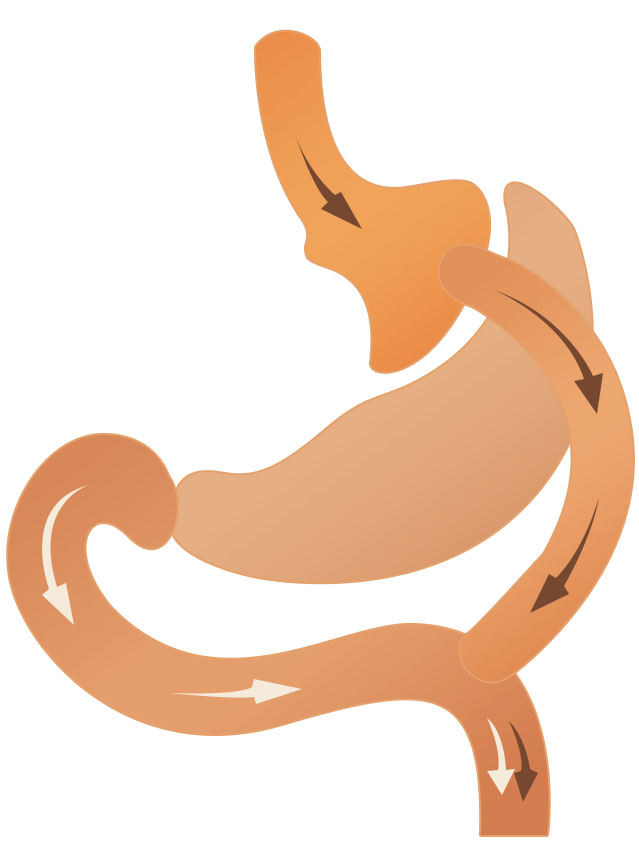
Key Features
Average weight loss with this operation is slightly better than a SG (25 – 30% at 5 years after surgery). Weight regain is unfortunately seen in at least 40% of patients by 10 years. It is still a much stronger surgical procedure than a SG in treating chronic diseases associated with obesity, such as diabetes and hypertension. This type of surgery is acceptable for patients under a BMI < 50kg/m2.
Biliopancreatic Diversion
with Duodenal Switch
(BPD-DS)
This is a hybrid operation that works by restriction (SG), suppression of appetite stimulation (duodenal bypass) and malabsorption (distal small intestine bypass). It is considered the “Rolls Royce” of all bariatric operations but because of its technical difficulty and long-term potential malnutritional effects requiring a strict life-long follow up, less than 1% of surgeons and centres around the world perform this type of operation.

Key Features
This operation offers at least an 80% excess weight loss (Your BMI – BMI = 25kg/m2) in more than 90% of patients at 10 years. Remission rates for diabetes have been reported to be more than 95% at 10 years. Next best is RYGBP diabetes remission rates at 10 years is less than 30%. Protein, vitamin and mineral malabsorption is a key side effect of this operation, which can be prevented from being life-threatening by modifying the length of the small intestine used for absorbing your food. These modifications in the last decade have made this operation much safer. Patients also report greater quality of life satisfaction after this operation compared to SG and RYGBP. Life-long follow up with yearly examinations are essential after this type of surgery. This type of surgery is indicated for patients with significant chronic diseases associated with obesity and in those patients with a BMI >40kg/m2.